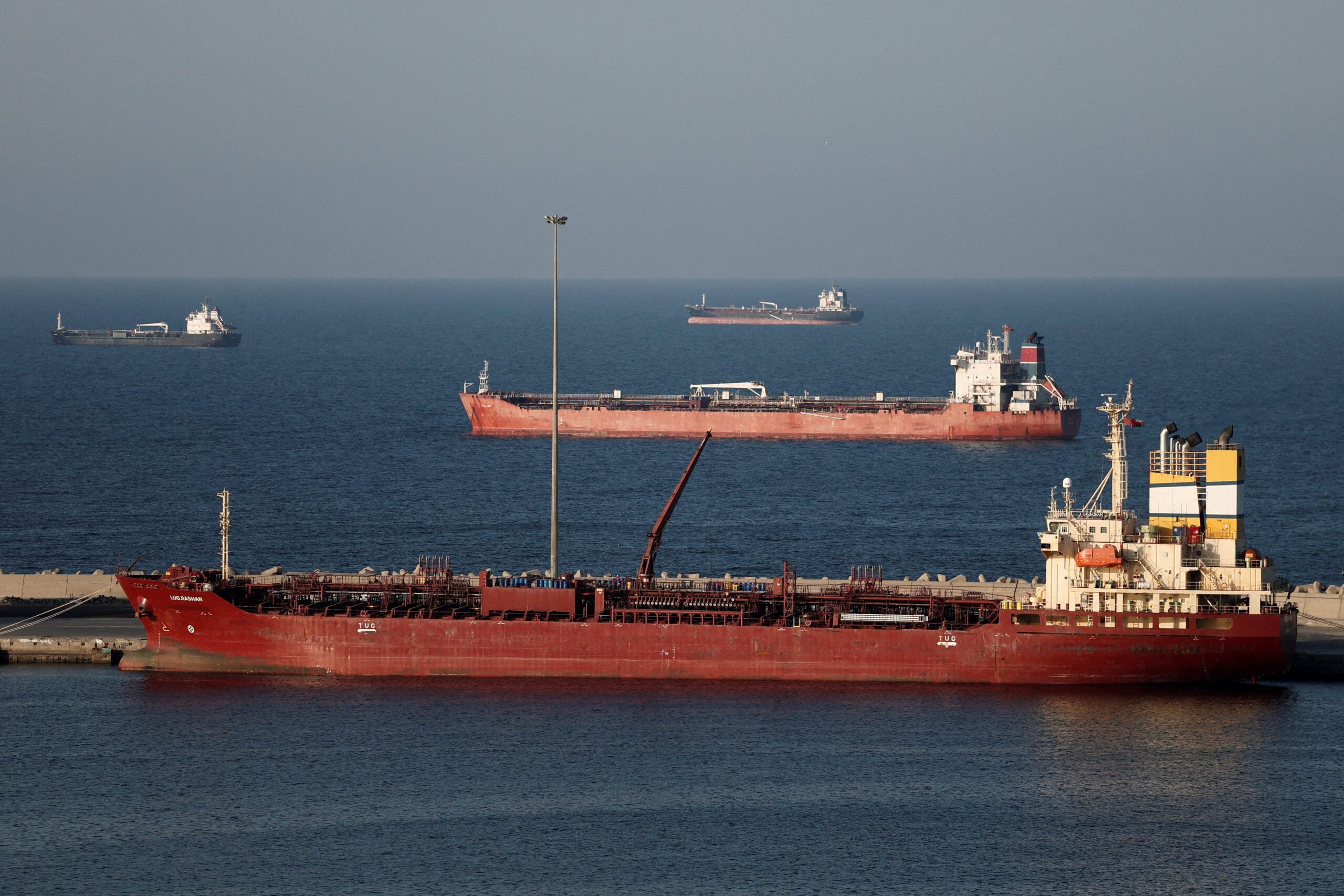

Iran is pursuing a strategy of calibrated escalation across multiple maritime chokepoints — the Strait of Hormuz, the Red Sea, and Saudi energy infrastructure — to raise the cost of confrontation without triggering full-scale war, according to Gulf officials and analysts. The goal is to convince Washington that containing the crisis is more costly than accommodating Iran's demands for administrative authority over Hormuz and the ability to levy service charges on vessels, a proposal Washington has rejected. Oman has presented a Gulf-backed proposal for voluntary user fees. Tehran has signaled that no maritime chokepoint is off limits, and an emerging Saudi-led maritime coalition is focused on escorting vessels and sharing intelligence rather than directly confronting Iran.
Context
It is Iran's first explicit articulation of its negotiating demands — administrative control of Hormuz and vessel service charges — since Trump declared the U.S. had complete control of the strait on the same day.