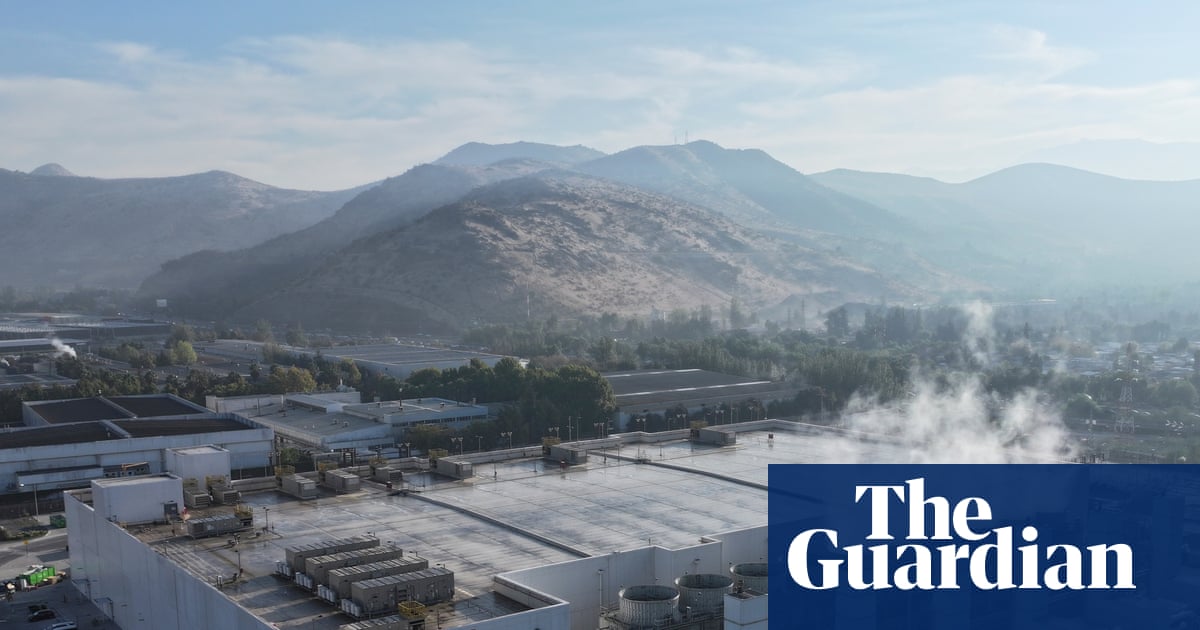

An LSE review of roughly 3,600 climate-related lawsuits filed since 2015 identified a rising number of cases targeting datacentres’ energy sources, water use and air pollution, with the first such suit in 2020 in Santiago, Chile, successfully halting a Google facility in Cerrillos over water supply concerns. Ireland is a hotspot, with datacentres already consuming more than 21% of the country’s electricity; in December 2025 its energy regulator ruled that large energy users could operate on fossil fuels for six years before switching to 80% renewables, a decision now subject to a judicial review by Friends of the Irish Environment, Friends of the Earth Ireland and ClientEarth. In the US, the city of Pittsburg, California, must require a datacentre to use renewable power and recycled water, while litigation in Georgia, Pennsylvania and Mississippi challenges fossil gas infrastructure and xAI’s use of portable methane generators without Clean Air Act permits. A UK lawsuit against a hyperscale datacentre in Buckinghamshire was dropped after the government accepted flaws in the consent process and the developer acknowledged that binding environmental mitigation measures are needed. The LSE report notes that litigation can drive changes in decision-making even absent positive judgments, and co-author Joana Setzer said the cases are less about halting development than about avoiding further fossil fuel lock-in by powering energy-intensive facilities with renewables now.