The Guardian2 jun 2026Macro
Automatisch samengesteld met AI uit de vermelde bronnen

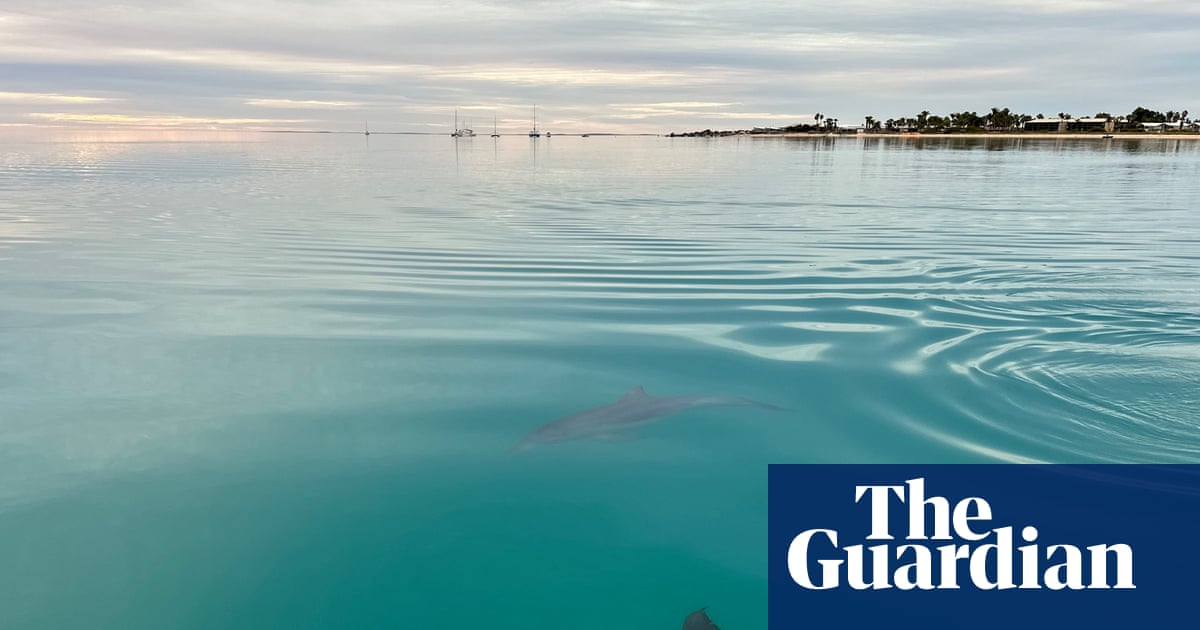
The study is published in the Proceedings of the National Academy of Sciences and involved a population of Indo-Pacific bottlenose dolphins in Shark Bay, Western Australia, that has been studied for more than 40 years. Researchers played 34 signature whistles from individual males underwater to 17 females, observing via drone that reproductively available females showed significantly stronger avoidance responses to the whistles of males known for higher rates of coercive herding behavior during consortships.