DredgeWire15 Jul 2026Innovation
Automatically composed with AI from the cited sources

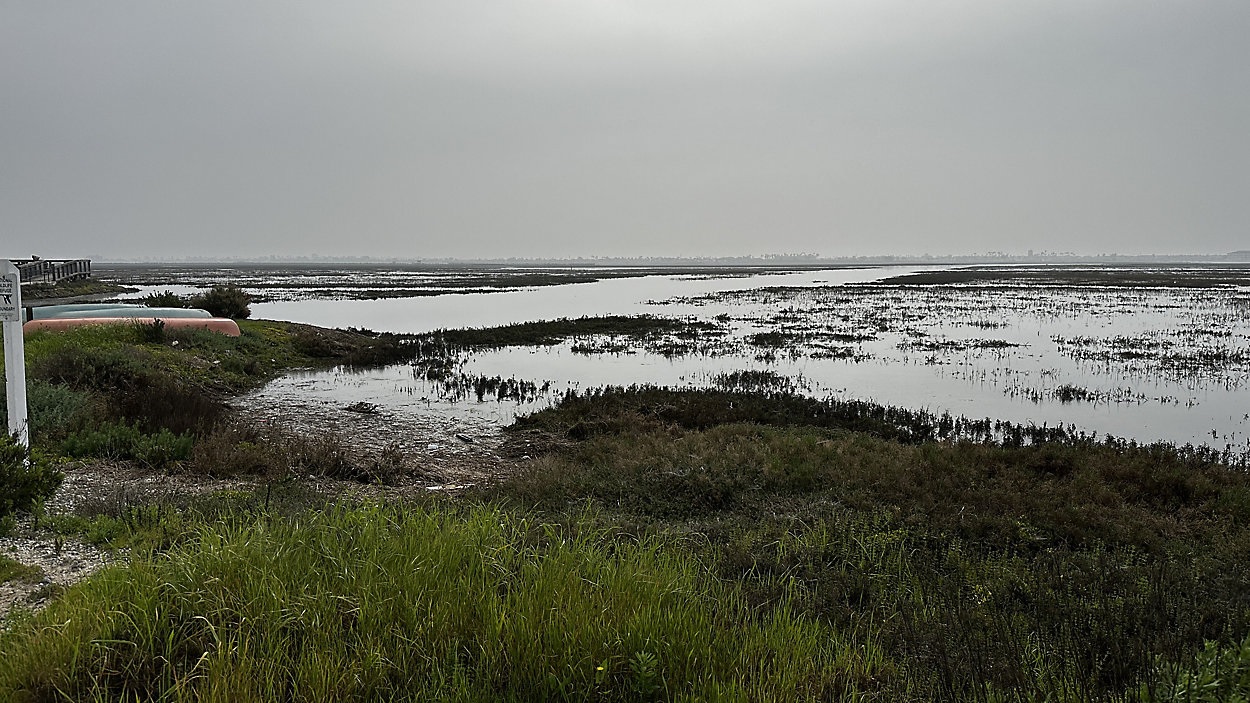
A decade-long pilot at the Seal Beach National Wildlife Refuge applied thin layers of sediment to raise marsh elevation, countering a relative sea-level rise three times higher than surrounding areas and land subsidence attributed to oil and gas extraction, fault movement, and a decoupled river supply. Monitoring by Cal State Long Beach and a naval biologist found plant growth now “tall and dense” and more nests of the federally endangered Light-footed Ridgway’s Rail, while the marsh remains above water at the highest tides.