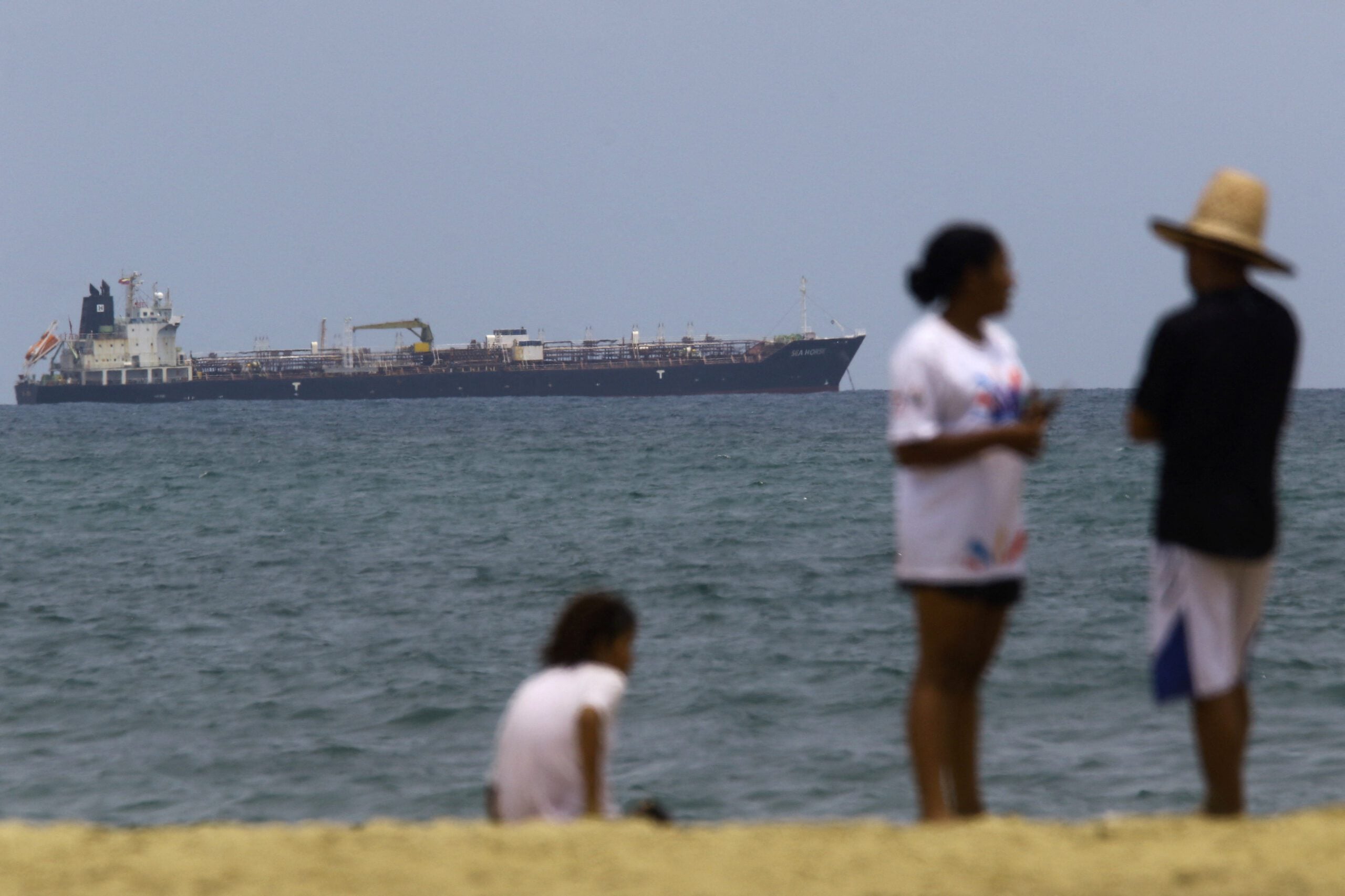

Iran warned it could expand its throttling of energy markets to the Red Sea by activating its Houthi allies in Yemen, a threat that matters because Saudi Arabia has diverted more than 70% of its normal crude exports to the Red Sea port of Yanbu since the Hormuz disruption, with shipments averaging 4 million barrels per day in recent weeks — up from roughly 973,000 bpd a year ago. Total petroleum transiting Bab el-Mandeb reached 7.4 million bpd in June, or about 7% of global output, functioning as a lifeline that has kept downward pressure on prices. The threat builds on Iran's 14 July signal that pressure could extend beyond Hormuz, now naming a specific proxy and chokepoint.
Context
The threat builds on Iran's 14 July signal that pressure could extend beyond Hormuz, now naming a specific proxy and chokepoint.