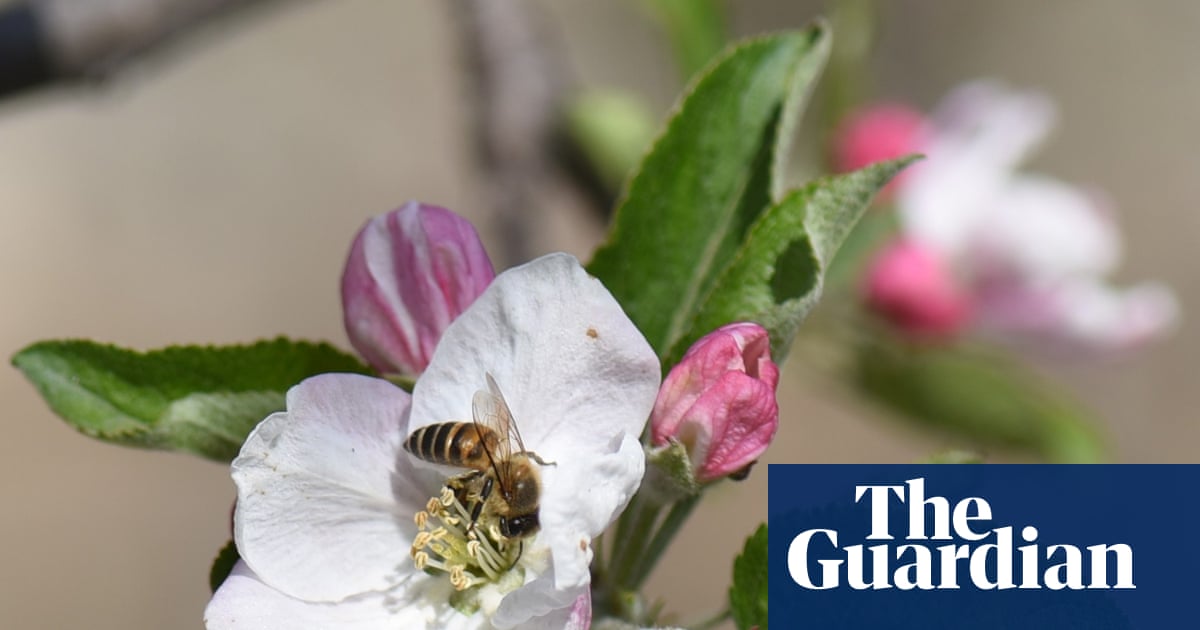
Pollinators in peril: scientists reveal the hidden human health costs of the world’s disappearing bees
The Guardian10 jun 2026Macro
Automatisch samengesteld met AI uit de vermelde bronnen

A study published in Nature last month in 10 remote villages of Nepal’s Jumla district found that pollinators were directly responsible for more than 20% of inhabitants’ vitamin A, vitamin E and folate intake, and for 44% of their farming income, over a one-year tracking period. It is the first study to provide direct evidence of the bond between pollinators and human health. A 2015 Lancet modelling study had estimated that a complete collapse of all pollinators would cause an additional 1.4 million deaths per year from malnutrition-related diseases, while the 2016 IPBES assessment estimated that more than 40% of bee species may be threatened globally and the 2025 IUCN red list found at least 172 European bee species at risk of extinction.