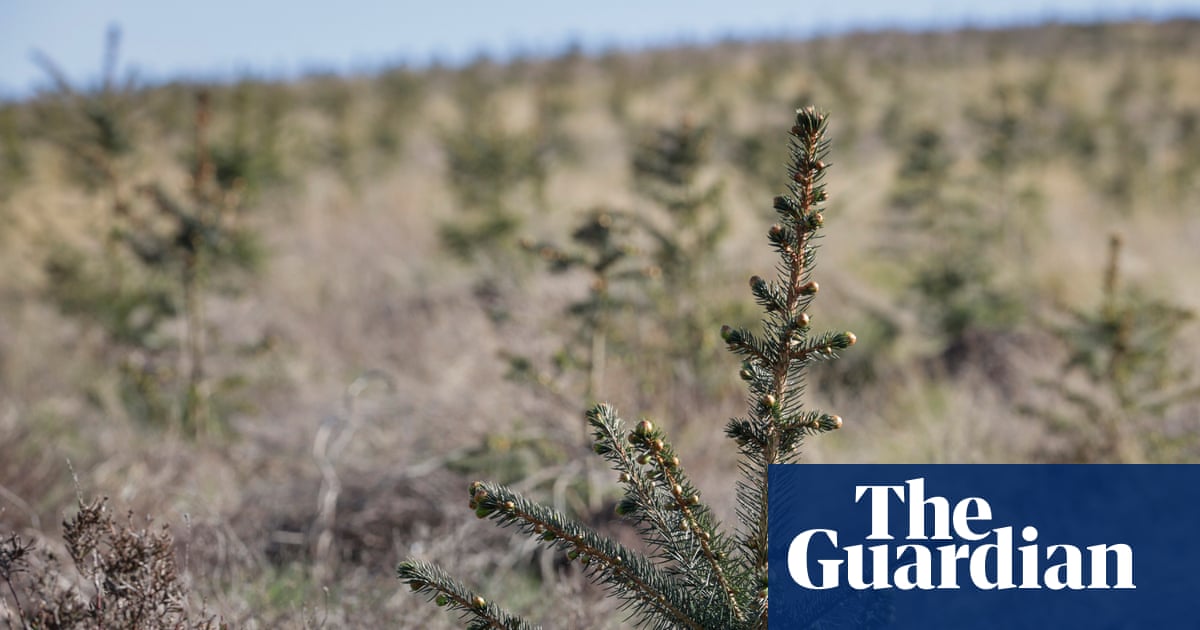

Gresham House, an £11bn City of London investor, bought the 580-hectare Todrig site on the English-Scottish border for £12m in 2022—six times its price three years earlier—intending to clear and replant it with commercial trees, but a legal challenge based on the presence of the vulnerable northern brown argus butterfly has halted the plan for now. At Stobo Hope, another project in the area, True North Real Asset Partners has already cleared ground and sown Sitka spruce, arguing it captures carbon more quickly over multiple short rotation cycles than native woodland. The appeal of such investments rests on a package of tax advantages: woodland can qualify for 100% business property relief from inheritance tax after two years of ownership, with no income or corporation tax on timber growth and no capital gains tax on felling, effectively halving the tax rate for large estates.