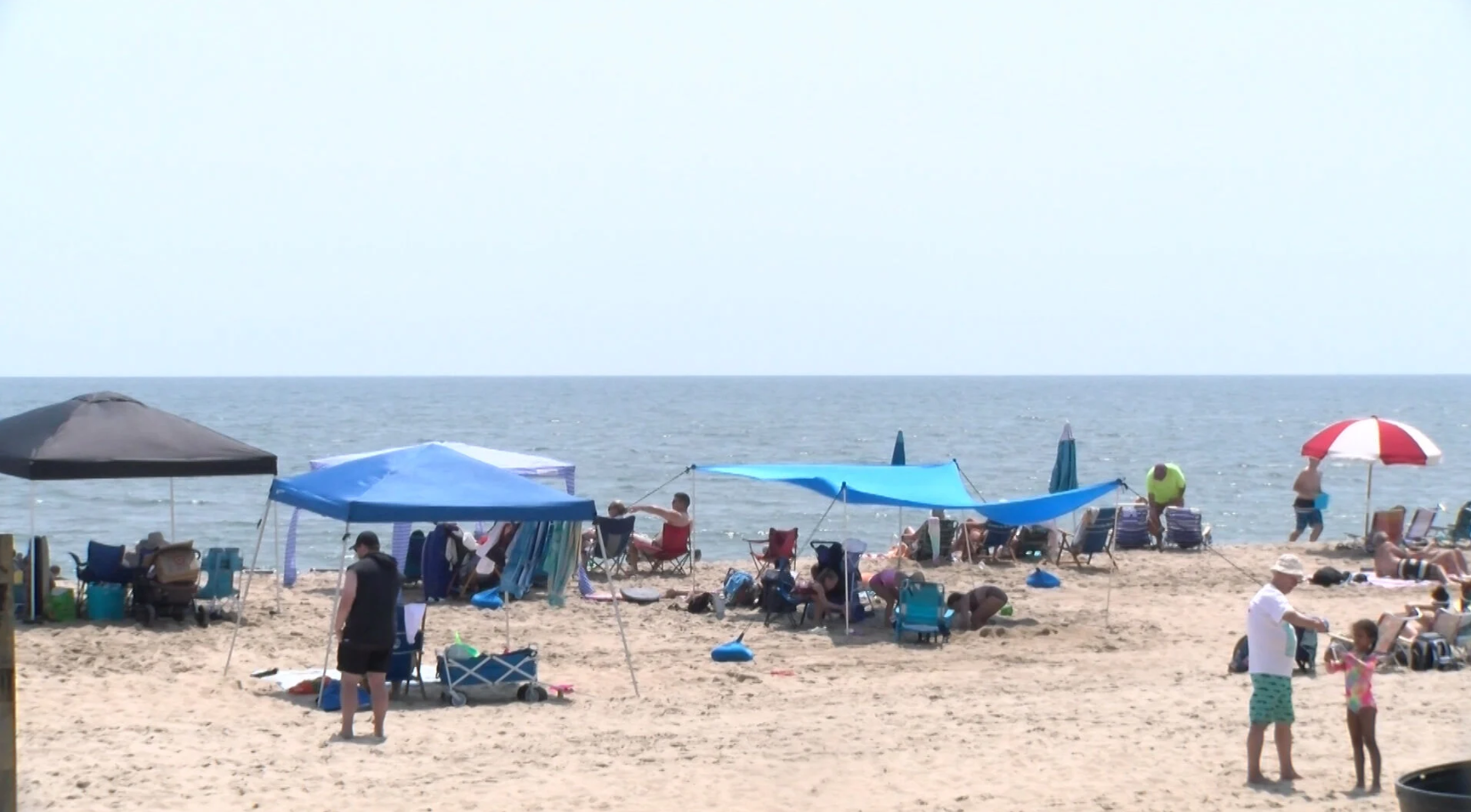
U.S. dredging activity surges across multiple coasts while Middle East instability threatens energy shipping lanes.
27 Jul – 2 Aug 2026U.S. dredging and beach nourishment work is accelerating on multiple fronts. Port Houston filed for a 52-mile maintenance dredging permit (T1), Freeport Channel reached its deepened 51–56 foot authorized depths with GLDD as a contractor (T4), and GLDD mobilized a second dredge at Buxton to hold the September 30 deadline (T21). These signal strong near-term demand for dredging capacity.
Middle East instability is directly impacting marine operations and energy logistics. A GasLog LNG carrier was damaged exiting Hormuz (T3), a shadow-fleet tanker is leaking oil off Oman (T11), and Fugro reported a €15 million profit hit from the Iran conflict (T9). The Hormuz shuttling trade is picking up again (T14), but risk premiums are rising across the region.
International dredging opportunities are materializing. Jan De Nul began seabed dredging at Georgia's Anaklia Deep Sea Port (T13), and Van Oord secured terminal space in Amsterdam (T22), suggesting fleet positioning for European and Black Sea work. Meanwhile, WRDA 2026 advances in Congress (T7), which could unlock further U.S. federal dredging budgets.
Companies this week
4


Top 10 of the week
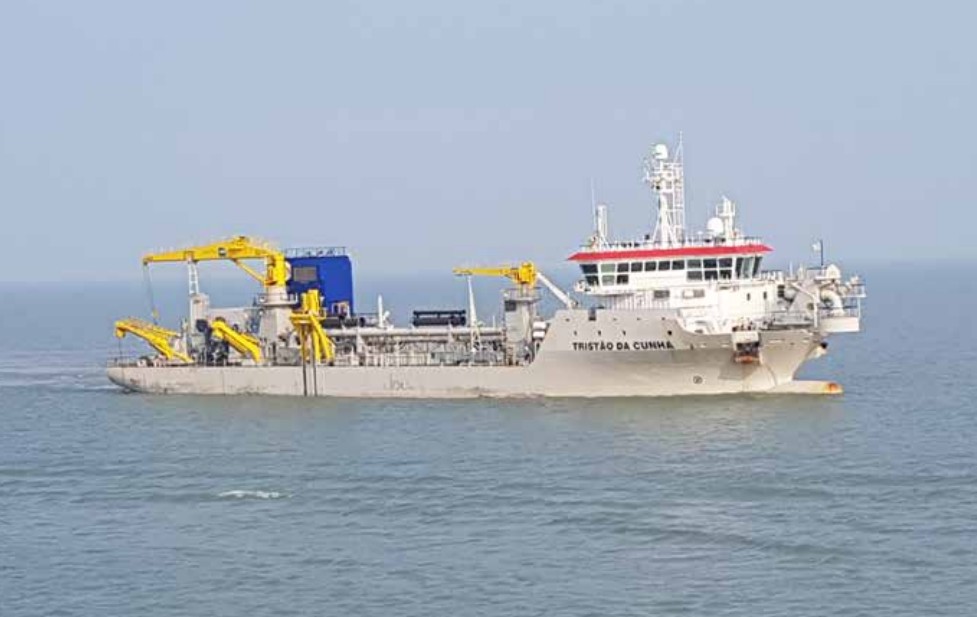
BREAKING NEWS: Jan De Nul begins Anaklia dredging project
Dredging Today2 Aug 2
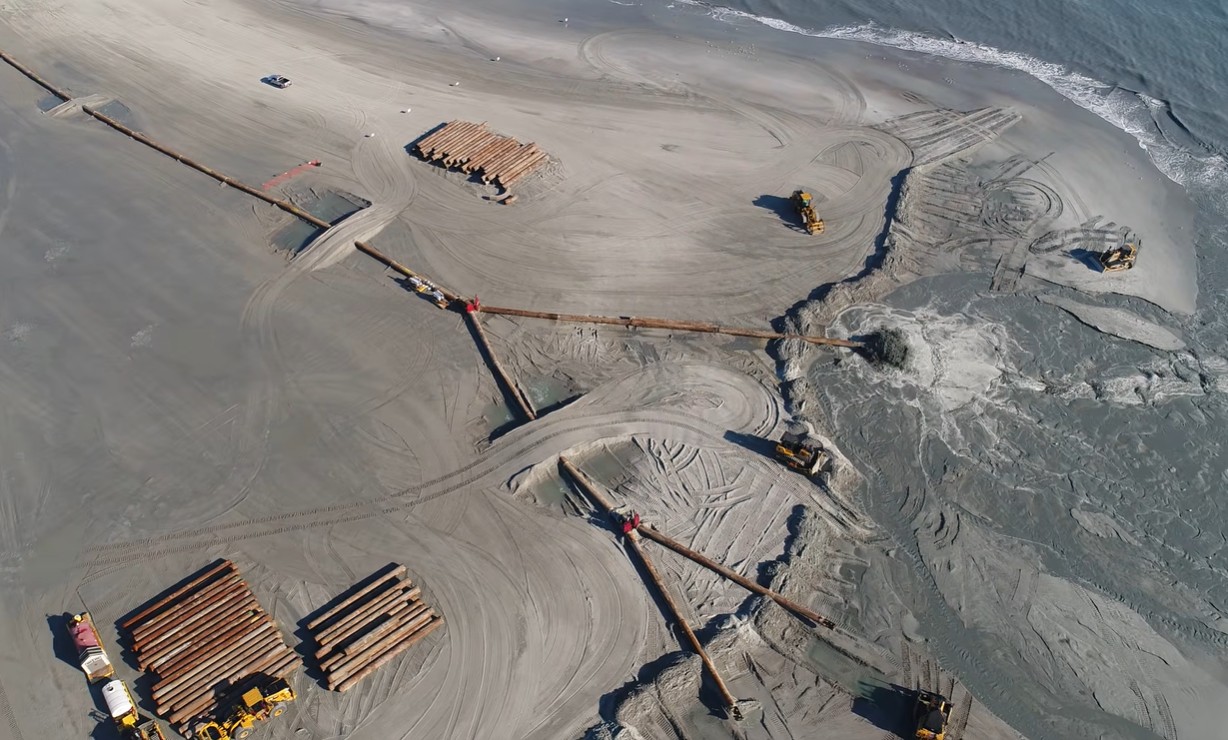
Isle of Palms dredging update: Marinex makes steady progress
Dredging Today1 Aug 3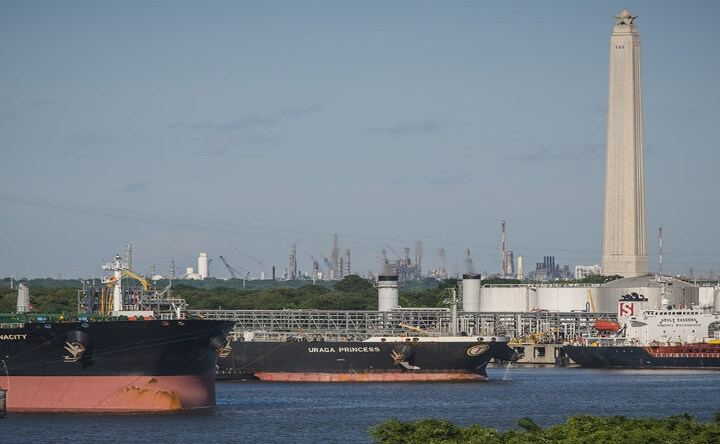
Port of Houston Seeks Permit for 52 mile Channel Dredging Program
DredgeWire31 Jul 4
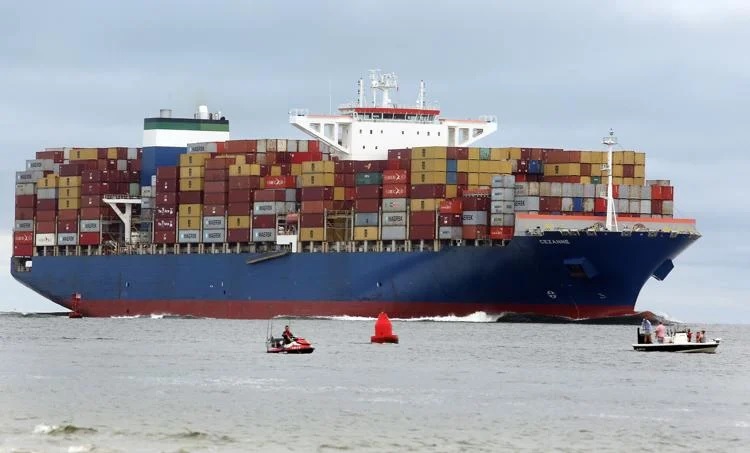
The Dutra Group Awarded $28.2 Million USACE Charleston Harbor Maintenance Dredging Contract
DredgeWire30 Jul 5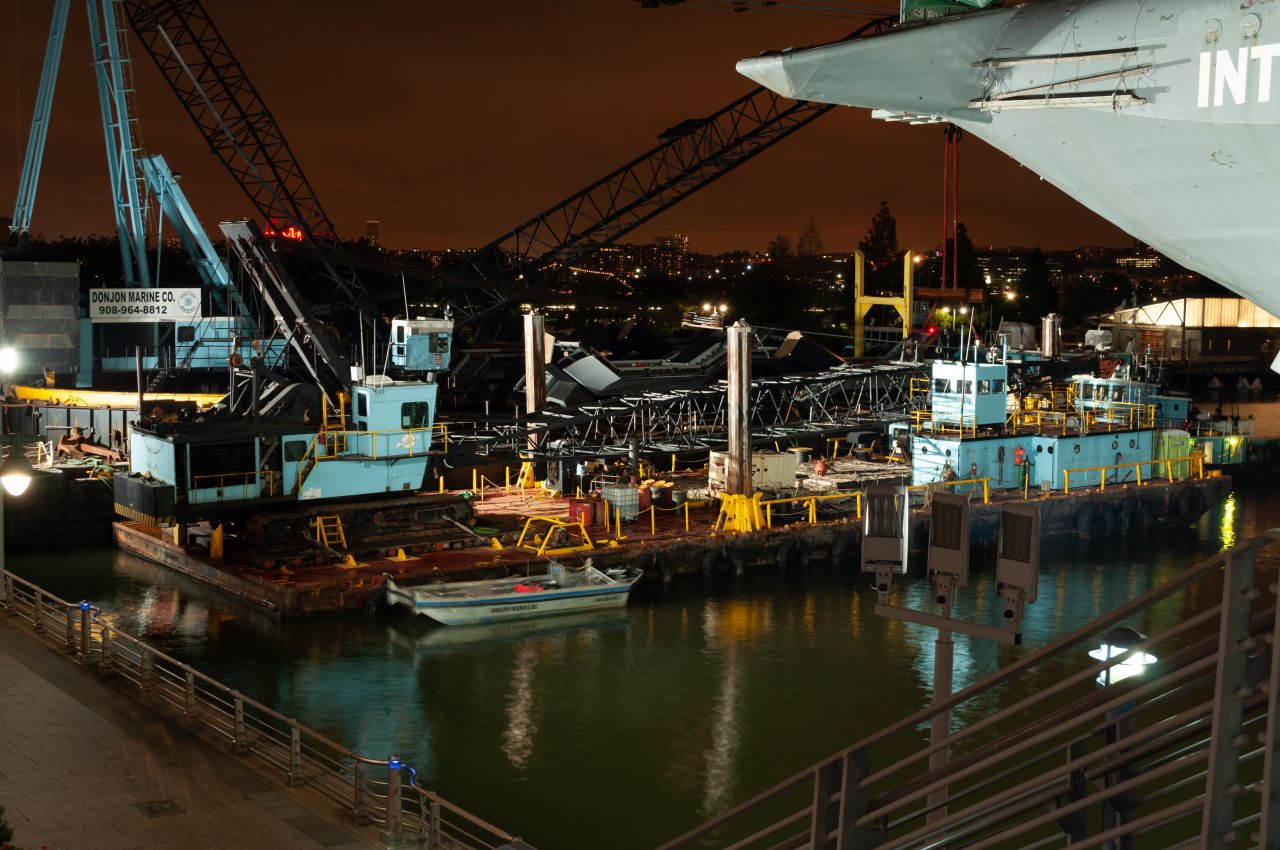
Donjon Marine wins Manhattan Cruise Terminal dredging contract
Dredging Today29 Jul 6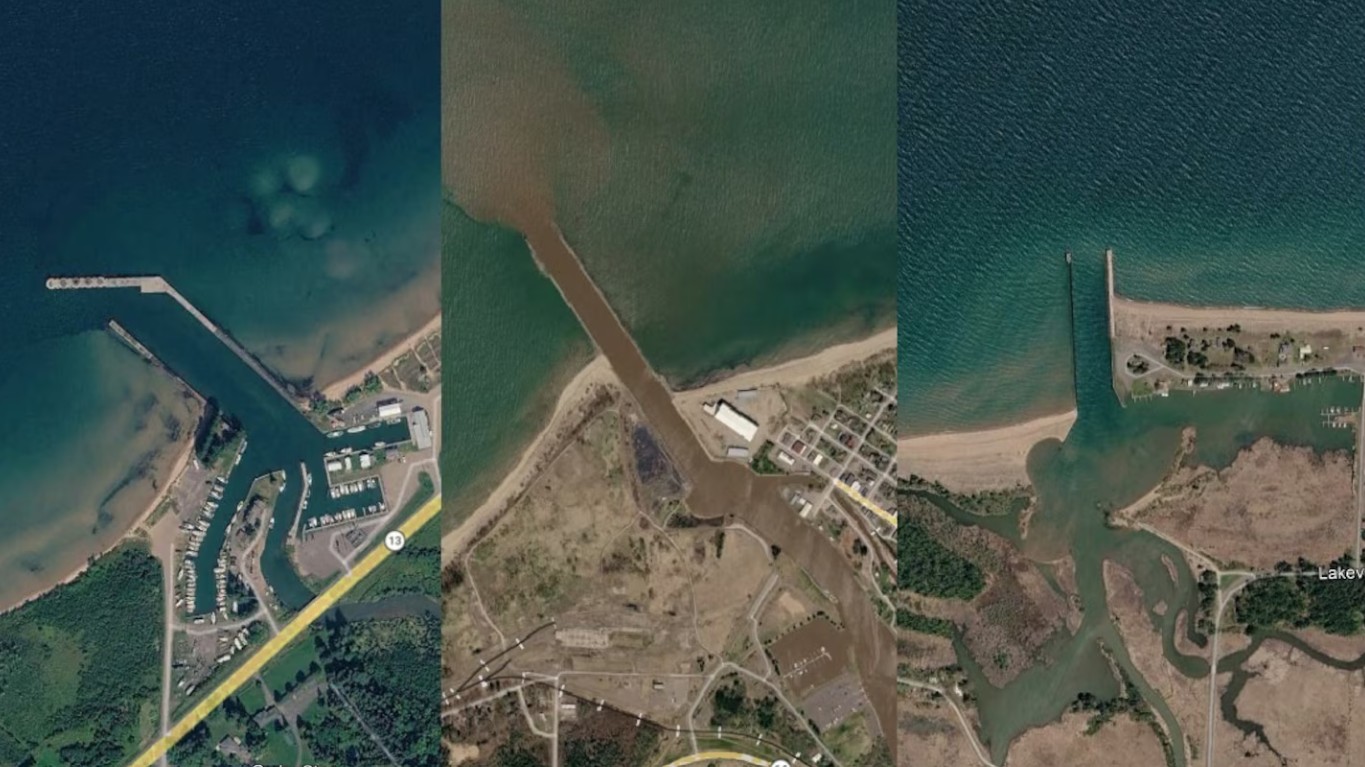
Viking Marine wins Lake Superior harbors dredging contract
Dredging Today28 Jul 7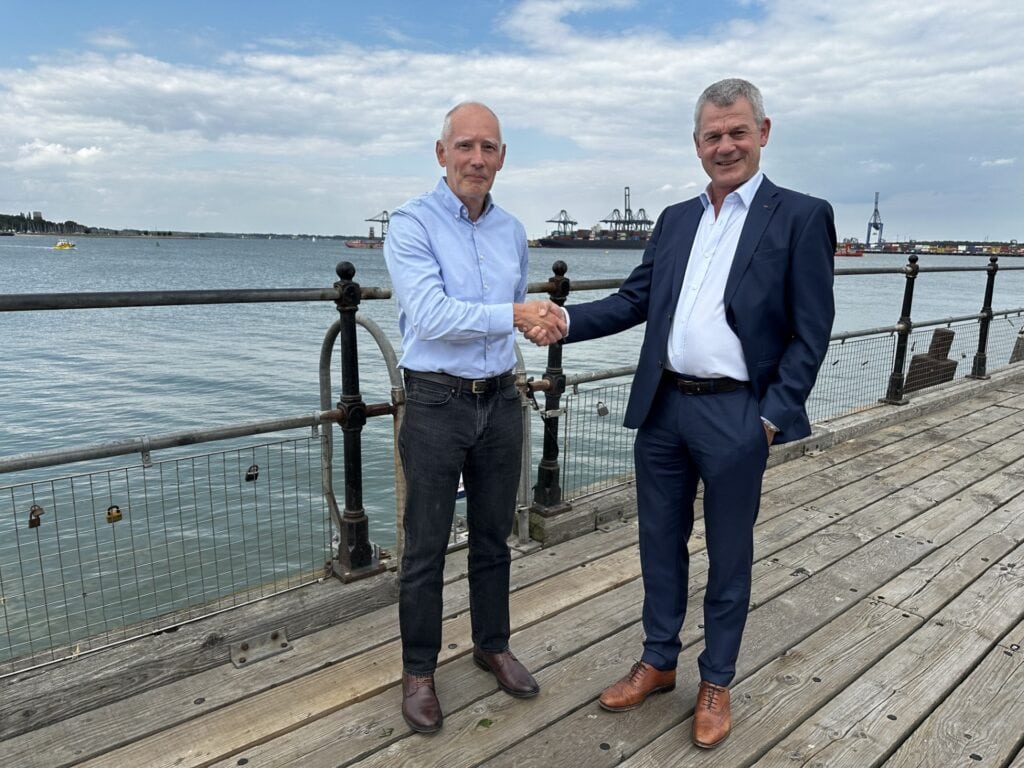
New dredging company emerges in UK, first projects lined up
Dredging Today27 Jul 8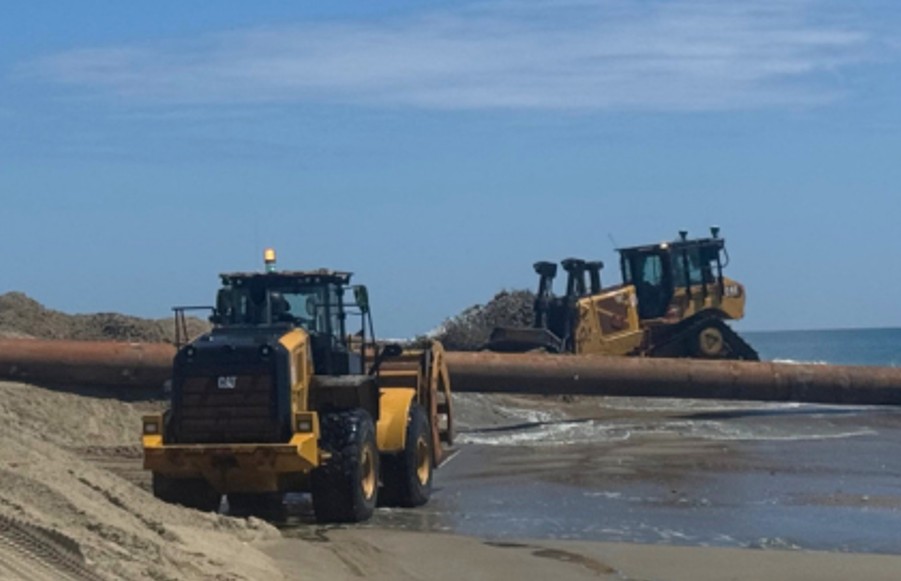
GLDD’s dredger Liberty Island kicks off Buxton beach nourishment
Dredging Today2 Aug 9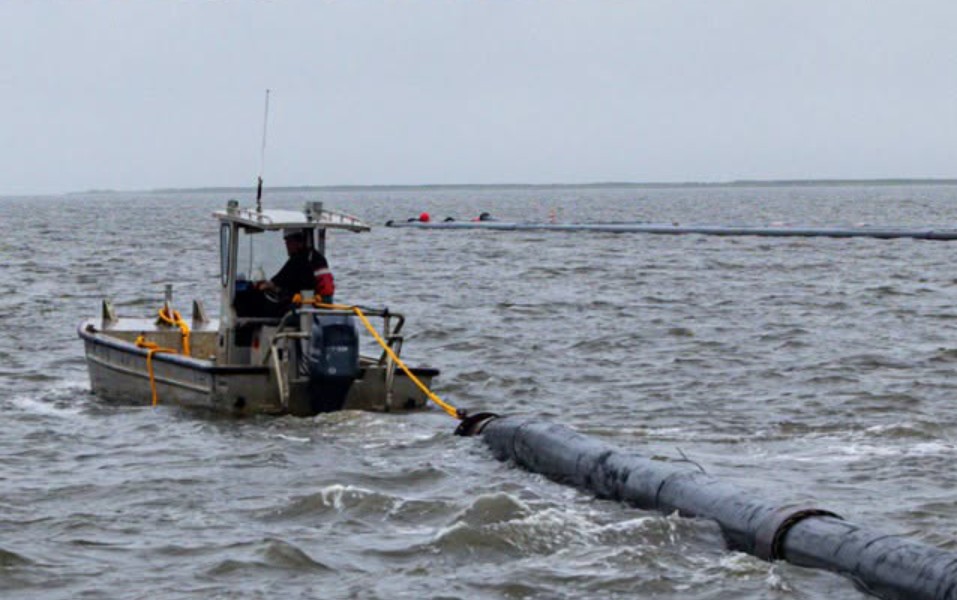
Dredging underway at Beach Haven West Complex
Dredging Today1 Aug 10